
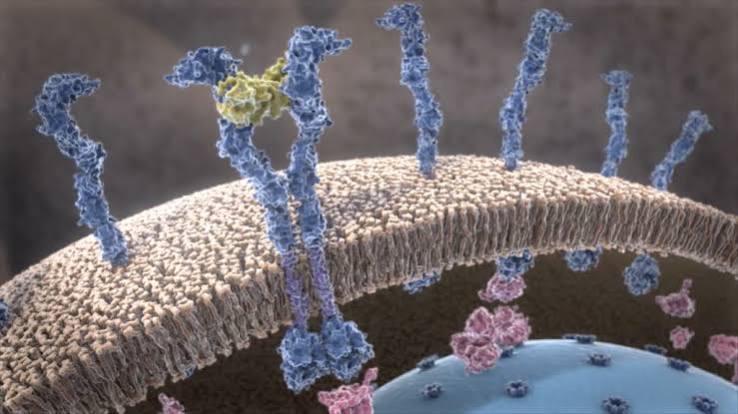
In the early 1970s, researchers studying bone marrow and blood samples from chronic myeloid leukemia (CML) patients noticed something strange under the microscope…an abnormally short chromosome 22. It was named, “The Philadelphia chromosome,” after the city where it was discovered by David Hunderford (a graduate student/research fellow) and Peter Nowell (a pathologist), who identified the anomaly while at Fox Chase Chance Center.
That observation alone took years to mature into a breakthrough for treatment. That breakthrough came when scientists went back and looked at patient bone marrow samples with more advanced genetic tools and found why that chromosome looked wrong. Those studies led to the realization that pieces of chromosomes 9 and 22 had swapped places, fusing two genes…BCR and ABL…into a single abnormal gene that did not exist in healthy cells.
Why the Samples Were Essential
- Bone marrow aspirates gave researchers direct access to the actual leukemia cells, not a proxy or a model
- Comparing patient samples over time (following the progression of the CML) helped show the BCR-ABL fusion wasn’t just present, it was driving the disease, by producing an overactive protein signaling cells to divide uncontrollably
- This gave drug developers something extremely rare in oncology: a single, well-defined molecular target present in nearly all patients with a specific type of cancer
Researchers at Novartis designed a small molecule to specifically block the BCR-ABL protein’s activity, starving the cancer cells’ engine, rather than poisoning all fast-dividing cells in the same way that traditional chemotherapy does.
The Result
Gleevec turned CML from a disease with a median survival rate of 3-5 years into one where most patients now have a near normal life expectancy.
The Takeaway
No bone marrow samples, no visible chromosome abnormality, no known fusion protein, no drug. Gleevec is often called the poster child for precision oncology. And it all began with researchers noticing that one chromosome, under a microscope, simply looked wrong…
On a Personal Note
Over my 30 years in healthcare and pharma, I have seen high points and low in the battle against leukemia. One high point was certainly seeing the first successful CAR-T immunotherapy application in Emily Whitehead, while a low point was the loss of my dear friend, Darlene McCray, to this devastating disease. Part of our hope in sharing this educational series is so people understand the significance of biosamples and how each and every one of us can play a part in discovering the next treatment that will save a life.


Leave a Reply