
Blog
Ideas and explainers on the samples that help researchers ask better questions.
Gleevec (Imatinib): The Chromosome that Named its Own Drug
In the early 1970s, researchers studying bone marrow and blood samples from chronic myeloid leukemia (CML) patients noticed something strange under the microscope…an abnormally short chromosome 22. It was named, “The Philadelphia chromosome,” after the city where it was discovered by David Hunderford (a graduate student/research fellow) and Peter Nowell (a pathologist), who identified the…

Herceptin (Trastuzumab): The Gene that Turned a Death Sentence into a Treatable Disease
In the 1980s, breast cancer treatment was largely a one-size-fits-all approach. And then, researchers studying tumor tissue biopsies noticed something unusual: in roughly 1 in 5 patients, tumor cells had far too many copies of a gene called HER2/neu. This wasn’t a minor detail. Patients with HER2-amplified tumors, identified through paraffin-embedded and frozen tissue samples,…

Keytruda (Pembrolizumab): The Immune Brake that Became a $26B Drug…and Just Got a New Partner
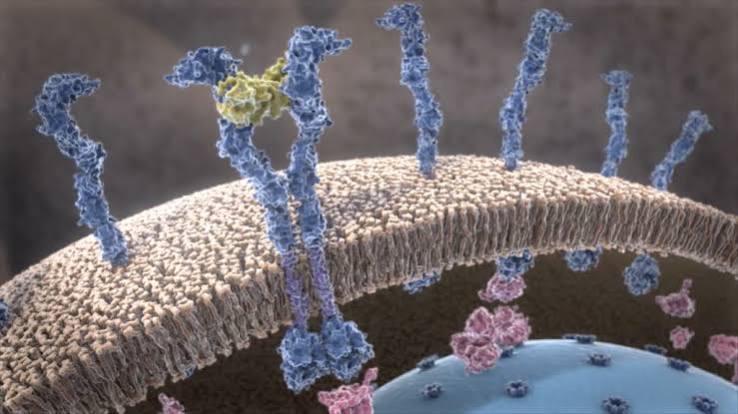
Keytruda works by releasing a brake, not by attacking cancer directly. Tumors often hijack a checkpoint pathway called PD-1/PD-L1 to hide from the immune system. Researchers studying tumor biopsies with immunohistochemistry (IHC) found that tumors expressing high PD-L1 were essentially waving a "don't attack me" flag at immune cells. With that realization, blocking that flag…

Biosample Breakthroughs: The Hidden Ingredients Behind Every Drug You've Ever Taken
Explore why human biosamples matter to early research and discovery, and how studying them can inform the development of therapies.